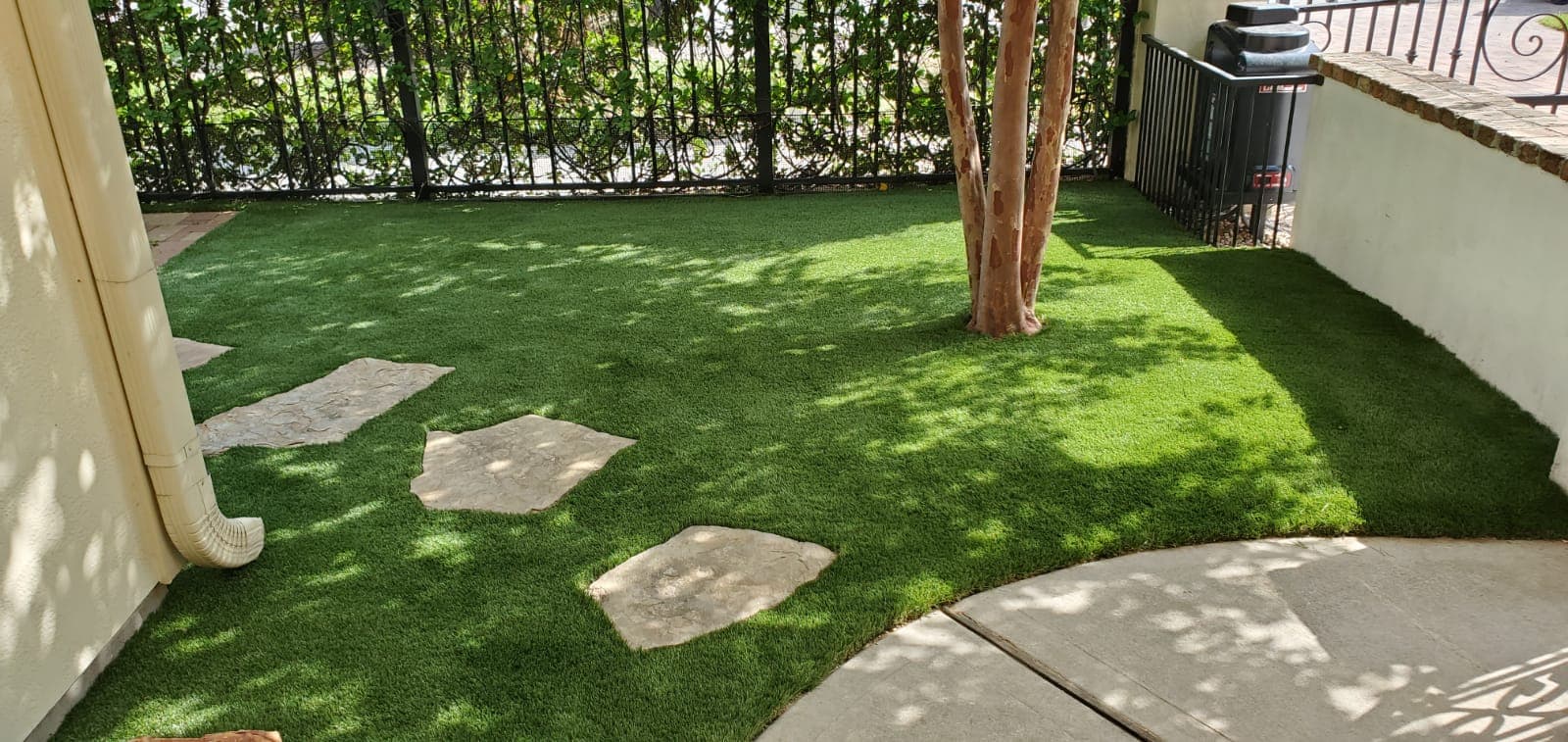
What Makes Phoenix Projects Different
Phoenix has some of the best availability of turf materials anywhere in the U.S.—from compactable aggregate to sand and fasteners—often with same-day sourcing. The climate and soils also change the build: extreme summer heat affects install pace and quality, many yards have tight access gates and block walls, and seasonal monsoon storms mean drainage and jobsite protection still matter even in the desert.
Materials are unusually accessible
Aggregate, sand, turf, and nails are often easy to source quickly.
Native soil drains well
Sandy soil "perks" and helps drainage work (but doesn't eliminate drainage planning).
Heat impacts installation
Turf surface temps and hardware can become dangerously hot in summer.
Access is often tight
Block walls + ~30–33" gates can force wheelbarrow labor or small equipment.
Common Mistakes Phoenix Homeowners Make
Phoenix has many installers—so the most common mistakes are about choosing the right level of quality and planning the build correctly.
Assuming all installs are the same quality
Turf can look "fine" on day one, but the base, shaping, seams, and drainage determine whether it stays great for years.
Not knowing who is actually doing the install
In big markets, the company you hire isn't always the crew you get. Crew lead experience changes outcomes.
Thinking "cookie-cutter" is the only option
Many Phoenix greens follow the same kidney-shape playbook. A true golf-like layout is absolutely possible.
Maxing out green size instead of playable design
Making the green bigger doesn't always add usable shots—sometimes it removes chipping space and hurts aesthetics.
What We Recommend for Phoenix Builds
These guidelines help Phoenix projects hold up through heat, high use, and seasonal heavy rains.
- Plan for heat during installation: use movable pop-up shade so crews can work precisely and safely.
- Don't treat "desert" like "no rain": monsoon storms can flood streets—drainage errors get exposed fast.
- Design for access: if you have a small gate, plan material handling early (wheelbarrow vs small equipment).
- Use cut/fill instead of over-importing: balancing native dirt avoids the "pedestal look" and feels more natural.
- Include at least a small chipping zone: most owners end up chipping more than putting.
Design Patterns That Look Right in Phoenix
Phoenix greens look best when they match the desert setting—clean transitions, natural edges, and landscape integration.
Rugged, naturalistic shaping pairs well with Phoenix terrain and architecture.
Boulders + simple native planting create a cohesive desert-golf environment.
Undulation rule of thumb: smaller greens stay subtle; larger greens can go more aggressive because you have room to tie in elevation changes.
Fairway/lawn surrounds can improve playability and make the space feel more like a real golf hole.
How Great Phoenix Greens Finish at the Edges
Many long-term “gap” issues come from edging systems that shift over time. A durable alternative is a rolled/bullnose edge that creates a clean, natural transition into gravel or ground cover.
Rolled Edge
Gives natural lines and fewer visible seams.
Ground Cover Integration
Can be brought up to hide the toe of the edge for a clean finish.
Desert Landscape Borders
Works especially well with Phoenix-style gravel + desert landscape borders.
Best Time of Year to Build in Phoenix
The best window is typically February through June, when conditions are comfortable and drier. In hotter months, install speed slows and surface temperatures can become a safety issue.
Monsoon Note
Monsoon season can hit fast. If turf is down, crews should be ready to cover the base and turf quickly with tarps to prevent washouts and delays.
What's Possible in Phoenix (Beyond Cookie-Cutter)
A well-designed Phoenix project can feel larger than its square footage by combining multiple chipping yardages, smart contouring, and landscape integration—especially around the Camelback-area neighborhoods where visibility and finish quality matter.
Large practice green feel through varied approach shots
Chipping zones placed to create multiple yardages
Landscape + golf intermingled so the green doesn't feel "stamped in"
Frequently Asked Questions
Does Phoenix soil make drainage easy?
Phoenix's sandy native soil can drain very well, which helps—but drainage still has to be shaped correctly so monsoon water doesn't damage the base or wash out features.
How do installers handle extreme heat?
The best crews plan for heat with shade, breaks, and workflow changes so turf handling and detailing stay precise.
Are Phoenix backyards hard to access?
Often, yes. Block walls and small gates can limit equipment size and slow material handling. Good planning prevents major delays.
Should I make my green as big as possible?
Not always. The best greens maximize playability (especially chipping) and aesthetics, not just square footage.
Phoenix Installers
Connect with verified professionals who understand Phoenix's unique desert landscape requirements.
DIY Putting Green Kits for Phoenix
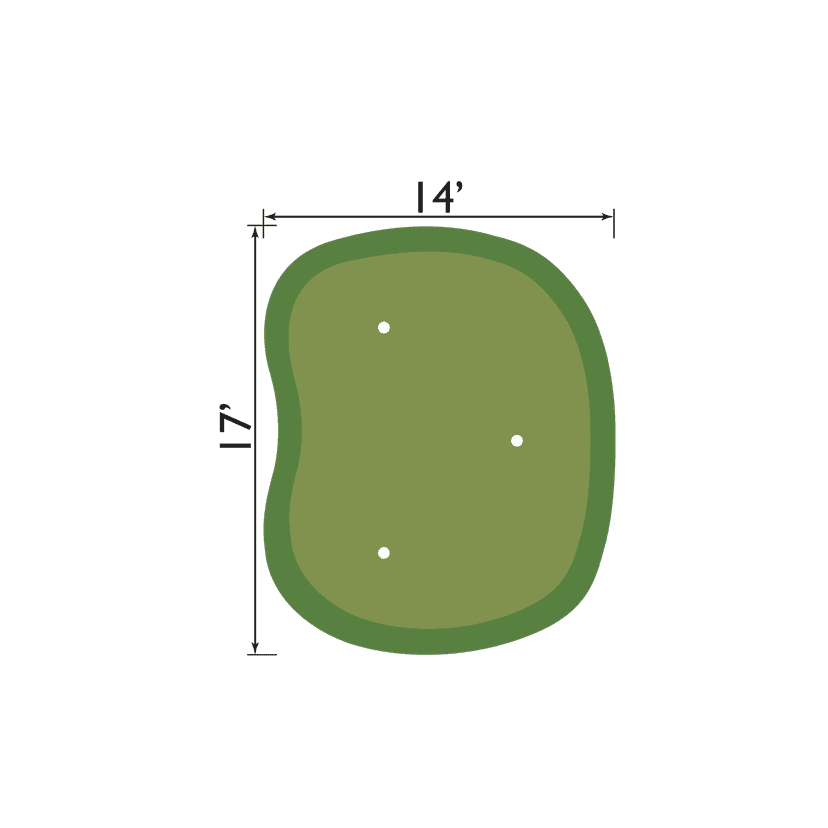
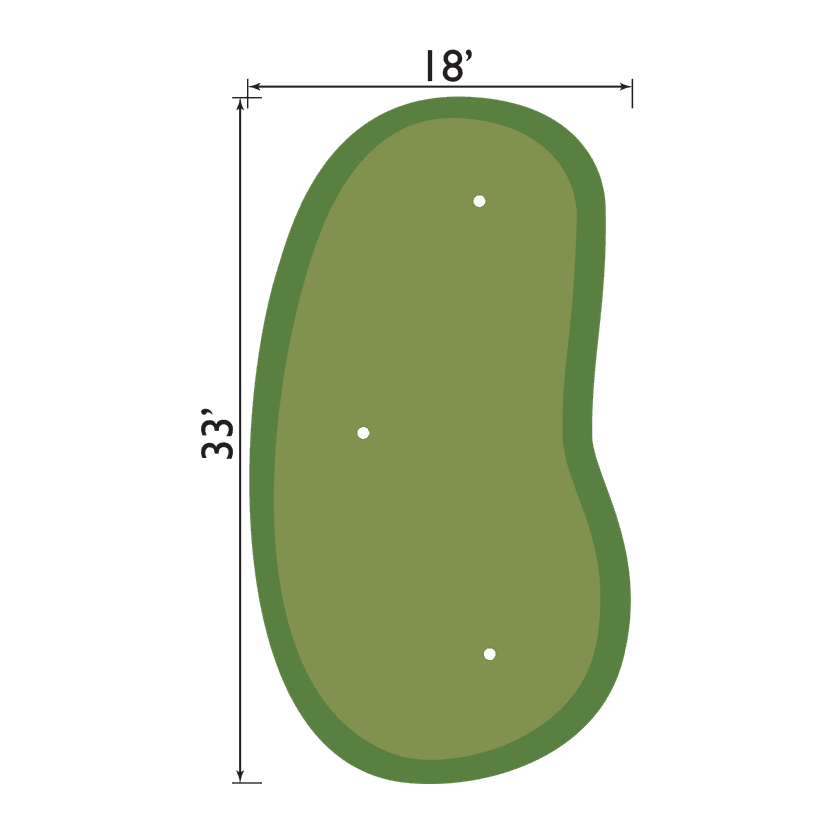
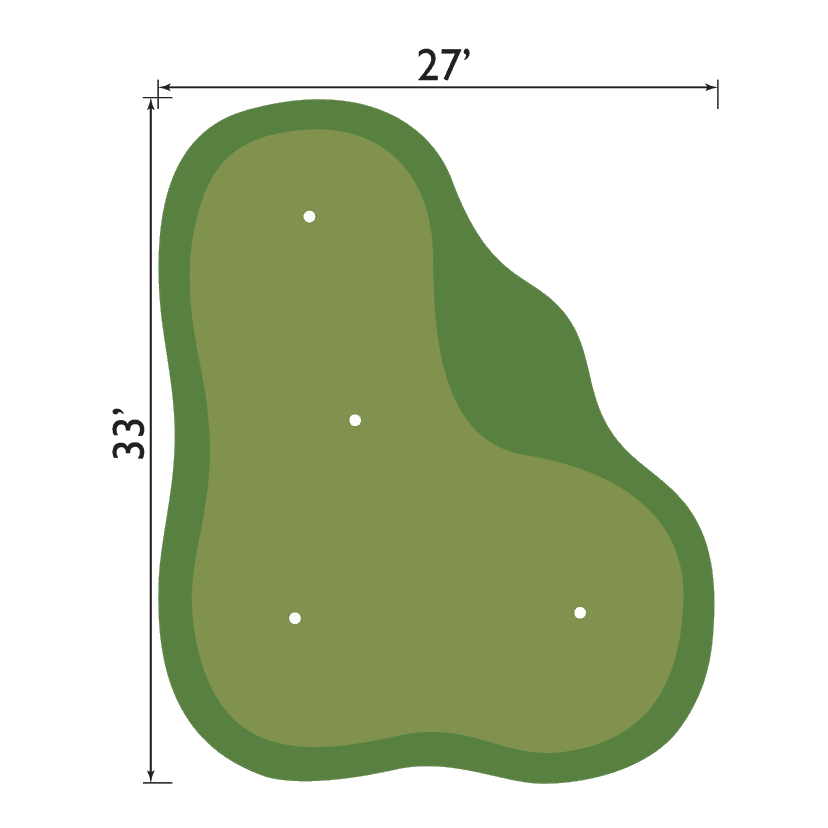
Some Phoenix homeowners prefer a DIY approach. PuttingGreen.com offers professionally designed putting green kits built using the same principles used by experienced installers.
PHOENIX SERVICE AREAS
PuttingGreen.com serves Phoenix and surrounding communities, including: Scottsdale, Paradise Valley, Camelback, Arcadia, Biltmore, Tempe, Mesa, Chandler, Gilbert, Fountain Hills, Cave Creek, Anthem, Peoria, Glendale, Goodyear, and nearby areas.